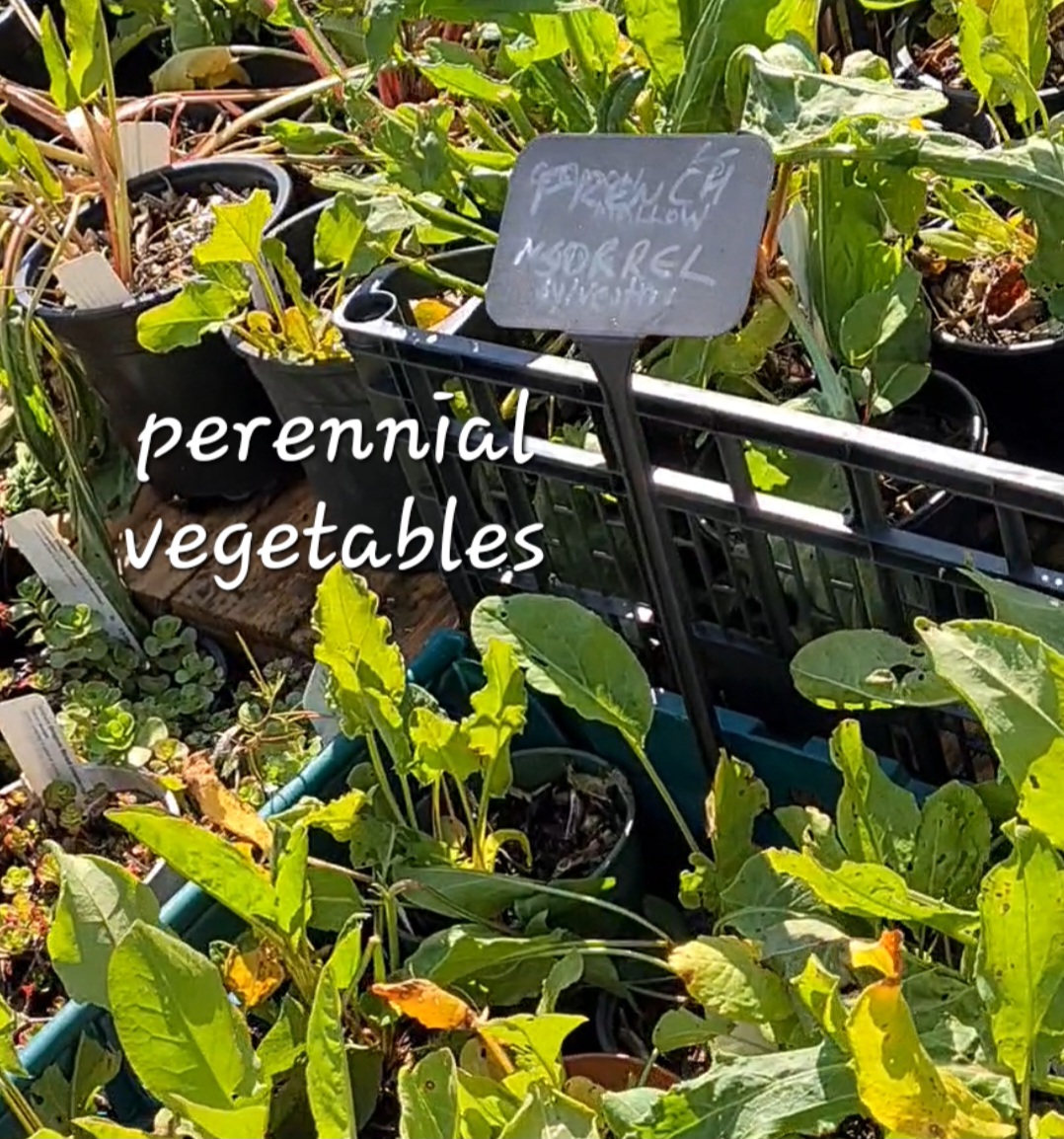
When most people think of growing vegetables in the UK, they picture a rotation of annual crops—carrots, lettuce, peas, beans—planted in spring and cleared out by autumn. While these annuals are undeniably popular and productive, perennial vegetables offer a powerful alternative for the home gardener. Once planted, these resilient crops come back year after year, bringing a host of benefits to both the garden and the gardener.
Let’s dive into the reasons why perennial vegetables are rising in popularity across UK gardens—and why you might want to give them a go.
What Are Perennial Vegetables?
Unlike annual vegetables, which complete their life cycle in a single year, perennial vegetables live for several years, often many decades. They may die back in winter, but their roots survive underground, ready to shoot up again in spring.
Popular UK-friendly examples include asparagus, rhubarb, perennial kale, sea kale, Jerusalem artichokes, and Welsh onions.


Benefits of Perennial Vegetables
1. Less Work, More Reward
One of the biggest draws of perennial veg is the reduction in labour. No annual digging, sowing, or transplanting—just a bit of seasonal maintenance like mulching, pruning, or dividing plants as needed. This means:
- Less soil disturbance
- Lower time investment
- Earlier spring harvests (especially with rhubarb and asparagus)
2. Improved Soil Health
Because you’re not constantly tilling and replanting, soil structure remains intact, helping to build organic matter and retain moisture. The deep roots of many perennial vegetables also:
- Break up compacted soil
- Draw nutrients from deep layers
- Improve drainage and soil biodiversity
3. Better for Biodiversity
Perennials create stable habitats for beneficial insects, fungi, and soil life. Many, like globe artichokes or perennial alliums, flower and attract pollinators and predators of pests, making your whole garden more ecologically balanced.


4. Resilience to Weather Extremes
Perennial vegetables often develop deeper, more robust root systems, which helps them withstand droughts, floods, or frosts better than shallow-rooted annuals. In the UK’s unpredictable climate, this resilience can mean the difference between a failed crop and a feast.
5. Earlier and Extended Harvests
Some perennials start producing in early spring—well before most annuals can be sown outside. Sea kale, sorrel, and perennial spinach alternatives can provide fresh greens when supermarkets still stock imports.
6. Cost-Effective in the Long Run
While some perennials may cost a bit more upfront or take longer to establish (we’re looking at you, asparagus), they pay for themselves many times over. Fewer seed packets, less compost, and minimal replanting.
The Downsides? A Few Things to Consider
- Patience is required. Some perennials (like asparagus) need a year or two to establish before you can harvest fully.
- Space commitment. These aren’t one-season wonders—you’ll want to choose planting spots you can dedicate long-term.
- Pest and disease buildup. Since they stay in place, you’ll need to monitor for recurring pests or pathogens. Crop rotation isn’t an option, so smart companion planting helps.
Final Thoughts
For the UK gardener, perennial vegetables offer a sustainable, low-maintenance, and ecologically sound way to grow food. Whether you’re managing a large allotment or a modest raised bed, mixing in some perennials can reduce your workload, build soil health, and give you food earlier in the season than many annuals can manage.
So if you’re planning your planting for the year, why not dedicate a corner of your garden to crops that will keep on giving?
Want help designing a perennial veggie patch ? Drop a comment or get in touch—we’re happy to help!
Leave a Reply